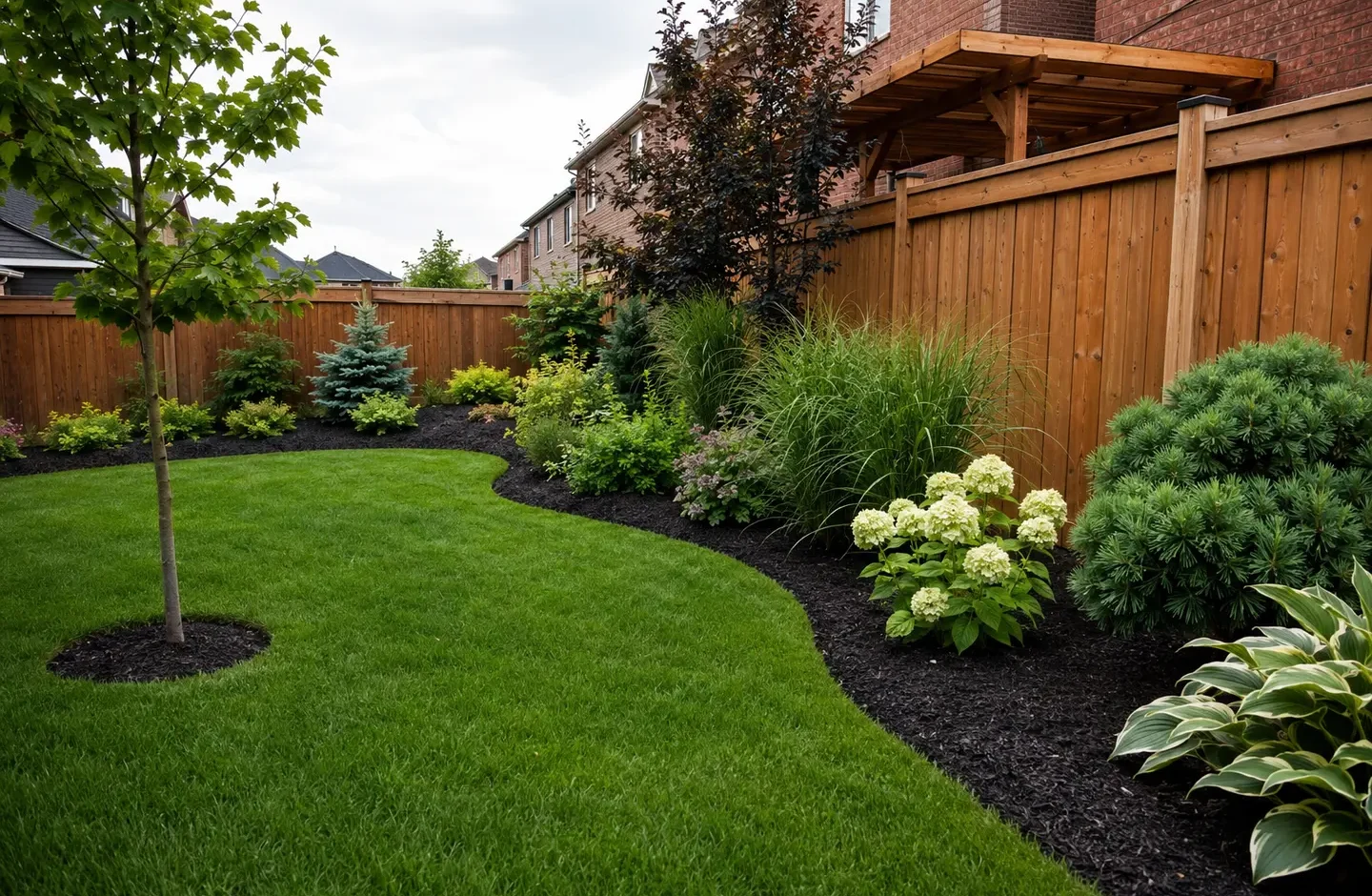
Sod and seed can both produce a healthy lawn, but they do not solve poor soil, standing water, heavy shade, or repeated traffic on their own. Start by asking why the existing lawn struggled.
Sod creates an immediate surface
Sod arrives as mature turf with a layer of roots and soil. It provides quick visual coverage and can protect prepared soil from erosion, but it must be installed promptly and watered consistently while roots enter the underlying soil.
Sod may fit when:
- You want an immediate finished appearance
- A larger area is being replaced at once
- Prepared soil needs quick surface coverage
- Weed competition during establishment is a concern
- The watering plan can support fresh rolls during warm weather
Seed takes longer but offers flexibility
Seed costs less as a material and can be useful for smaller repairs, overseeding, or lawn renovation where the existing turf is partly viable. Establishment is slower and vulnerable areas may need protection from washout, weeds, pets, and foot traffic.
Seed may fit when:
- The lawn needs thickening rather than full replacement
- You are repairing small or irregular patches
- You can keep people and pets off the area for longer
- Seasonal conditions are suitable for germination
- You can water lightly and consistently during establishment
Preparation matters for both options
Remove debris and failed turf, address compaction, create a smooth growing surface, and maintain positive drainage. If the old lawn failed because water sits in a low area, new grass can fail for the same reason.
Consider shade, traffic, and watering
Dense shade may require a more shade-tolerant lawn strategy or a different landscape treatment. Repeated dog traffic, play routes, and narrow side yards can wear grass faster than it recovers. Irrigation access and local watering restrictions can also affect timing.
Choose based on the property goal
Use sod when rapid, full coverage justifies the preparation and watering commitment. Use seed when time, site protection, and the repair scope support a slower establishment period. In both cases, fix the underlying site concern first.