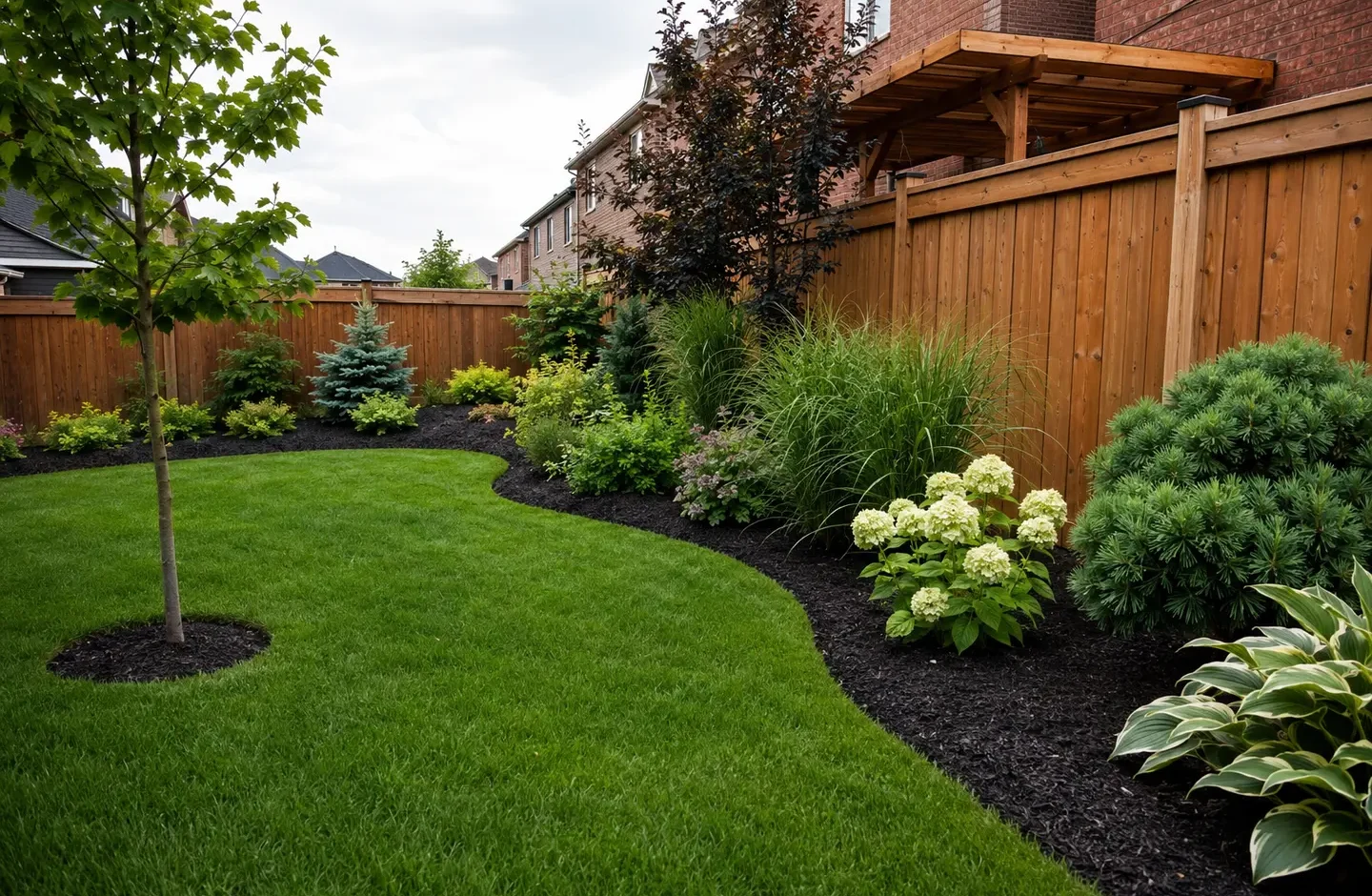
Match lawn renovation work to compaction, turf condition, and season
In short: Core aeration removes small soil plugs to reduce suitable compaction and improve air, water, and seed contact, while overseeding introduces new grass into prepared thin areas. Aeration and seed will not correct deep shade, standing water, severe grading concerns, unsuitable soil, or constant wear by themselves. The lawn should be assessed so the treatment addresses a realistic cause of thinning. The appropriate scope depends on the measured property, existing condition, access, intended use, material or product requirements, connected work, maintenance expectations, and any current municipal, utility, or specialist requirements.
Service area: Requests are accepted throughout Brampton, Ontario, subject to responding-provider availability and project fit.
Provider transparency: Brampton Landscaping is a service-information and quote-request website. Confirm the responding provider’s legal identity, contact information, insurance, qualifications, scope, price, and written terms before booking.
Lawn conditions that may benefit
Compacted high-traffic turf
Use core aeration where soil moisture and site conditions allow useful plug removal.
Thin or patchy grass
Improve seed-to-soil contact and protect the area during germination.
Weak surface soil
Consider compatible topdressing and organic matter where it supports the renovation plan.
When is lawn aeration and overseeding the right starting point?
Lawn and planting work is suitable when soil, light, water, traffic, plant size, and maintenance can support the intended result. Replacing grass or plants without correcting compaction, drainage, shade, or repeated wear can reproduce the same failure.
The initial choice should follow the property condition, not a product photograph. Compare what each option is intended to accomplish, what preparation it assumes, and which facts still need inspection.
| Option or scope | When it may fit | What must be confirmed |
|---|---|---|
| Core aeration | Relieve suitable surface compaction without unnecessary damage to irrigation or shallow utilities. | Confirm soil condition, sunlight, drainage, water access, mature plant size, traffic, maintenance expectations, and utility locations before digging. |
| Overseeding | Apply an appropriate seed blend to prepared turf under favourable conditions. | Confirm soil condition, sunlight, drainage, water access, mature plant size, traffic, maintenance expectations, and utility locations before digging. |
| Topdressing | Add a thin, compatible layer to support surface improvement and seed contact. | Confirm soil condition, sunlight, drainage, water access, mature plant size, traffic, maintenance expectations, and utility locations before digging. |
| Localized lawn repair | Prepare damaged areas and coordinate soil, seed, protection, and watering. | Confirm soil condition, sunlight, drainage, water access, mature plant size, traffic, maintenance expectations, and utility locations before digging. |
Lawn renovation services
Choose the treatment, seed, timing, and aftercare around lawn condition and intended use.
What affects a lawn aeration and overseeding quote?
A useful quote separates visible finishes from the work needed to support them. Dimensions, quantities, access, removals, disposal, existing-condition repair, drainage, utilities, material specifications, protection, cleanup, tax, schedule, and exclusions should be clear enough to compare.
- Compacted high-traffic turf: Use core aeration where soil moisture and site conditions allow useful plug removal.
- Thin or patchy grass: Improve seed-to-soil contact and protect the area during germination.
- Weak surface soil: Consider compatible topdressing and organic matter where it supports the renovation plan.
- Core aeration: Relieve suitable surface compaction without unnecessary damage to irrigation or shallow utilities.
- Overseeding: Apply an appropriate seed blend to prepared turf under favourable conditions.
- Topdressing: Add a thin, compatible layer to support surface improvement and seed contact.
- Localized lawn repair: Prepare damaged areas and coordinate soil, seed, protection, and watering.
Photos and approximate dimensions can start the conversation, but a final scope may change after measurement, inspection, current product information, utility locates, or authority review.
How long can planning and work take?
Planting and establishment are weather dependent. Heat, frozen soil, saturated ground, watering access, and product availability can change the schedule. Some maintenance work is better timed to the plant, lawn condition, and season rather than a fixed calendar date.
The written quote should identify site access, material staging, noise or dust, temporary closures, occupied-area protection, waste removal, weather delays, curing or establishment time, and when the area can return to normal use. No universal duration can be confirmed without the actual scope.
How does lawn aeration and overseeding move from request to review?
- 01
Document the condition
Record compacted high-traffic turf, access, dimensions, drainage, fixed features, utilities, and the result the property needs.
- 02
Compare suitable options
Review core aeration against overseeding, preparation, maintenance, timing, and connected work.
- 03
Confirm scope and requirements
Confirm soil condition, sunlight, drainage, water access, mature plant size, traffic, maintenance expectations, and utility locations before digging. Put materials, exclusions, protection, cleanup, and change handling in writing.
- 04
Complete and review
Follow the accepted sequence, inspect the finished condition, document limitations, and provide product- and site-specific care instructions.
What happens after lawn aeration and overseeding is completed?
Establishment care should be agreed before installation. Confirm watering frequency, mowing or pruning limits, traffic restrictions, warranty conditions, weed management, and who will monitor early stress. Product labels and plant-specific instructions control where they differ from general advice.
Website content cannot determine concealed soil, base, utility, structural, electrical, fuel, drainage, root, boundary, or product conditions. The accepted quote and qualified specialist instructions control where they differ from general planning guidance.
Use the right seasonal window and watering plan
Brampton summer heat can make establishment difficult, while saturated spring soil can be damaged by heavy equipment. Seed needs consistent moisture and protection from traffic during establishment.
Local and official-source information reviewed July 21, 2026.
Plan around the actual property
Confirm current City of Brampton, Ontario utility, product, and specialist requirements for the exact work. This page does not approve a permit, locate, design, product, or construction detail.
Official sources relevant to lawn aeration and overseeding
These sources support the municipal, safety, or utility statements on this page. Requirements and source pages can change, so confirm the current rule for the specific property before work begins.
Peel Region Conserving Water Outside
Peel Region provides practical outdoor water-conservation guidance for lawns, gardens, watering schedules, mowing, rain use, and irrigation-system checks.
City of Brampton Yard Maintenance Requirements
The City publishes current yard-maintenance expectations for lawns, overgrowth, weeds, debris, waste, and related exterior property conditions.
Source review: July 21, 2026. Municipal approval is determined by the responsible authority, not by this website.
Questions about lawn aeration and overseeding
Should aeration and overseeding be done together?
They are often paired because aeration creates openings and improves seed contact, but the best combination depends on compaction, thatch, soil, turf density, irrigation, season, and the reason the lawn is thin.
How is the quote prepared?
The scope should reflect property conditions, access, preparation, materials, removals, and connected work. A site review may be needed before the work can be priced accurately.
Can this service be combined with other landscaping work?
Yes. Related work is often easier to coordinate as one planned project, especially when grading, drainage, hardscaping, lawns, planting, or structures affect one another.
When should I start planning?
Start once you know the main outcome you want. Planning earlier provides more time to review the site, confirm requirements, choose materials, and coordinate seasonal availability.
What should I include in a lawn aeration and overseeding quote request?
Include the Brampton property type, approximate work area, current concern, desired result, access limits, timing, and any related work. Photos are useful, but measurements, site conditions, materials, removals, utilities, permits, and specialist requirements may still need confirmation before a final quote.
What can change the recommended lawn aeration and overseeding approach?
Confirm soil condition, sunlight, drainage, water access, mature plant size, traffic, maintenance expectations, and utility locations before digging. The recommended scope can change after inspection, measurements, current product information, utility locates, or municipal requirements are reviewed.
How much disruption should the property expect?
Planting and establishment are weather dependent. Heat, frozen soil, saturated ground, watering access, and product availability can change the schedule. Some maintenance work is better timed to the plant, lawn condition, and season rather than a fixed calendar date. The quote should identify access, staging, noise, removals, temporary closures, cleanup, and any period when the area cannot be used normally.
Continue planning the property
Start at the complete Brampton landscaping services directory, read the related guide for a deeper planning comparison, or use the full quote form for lawn aeration and overseeding.