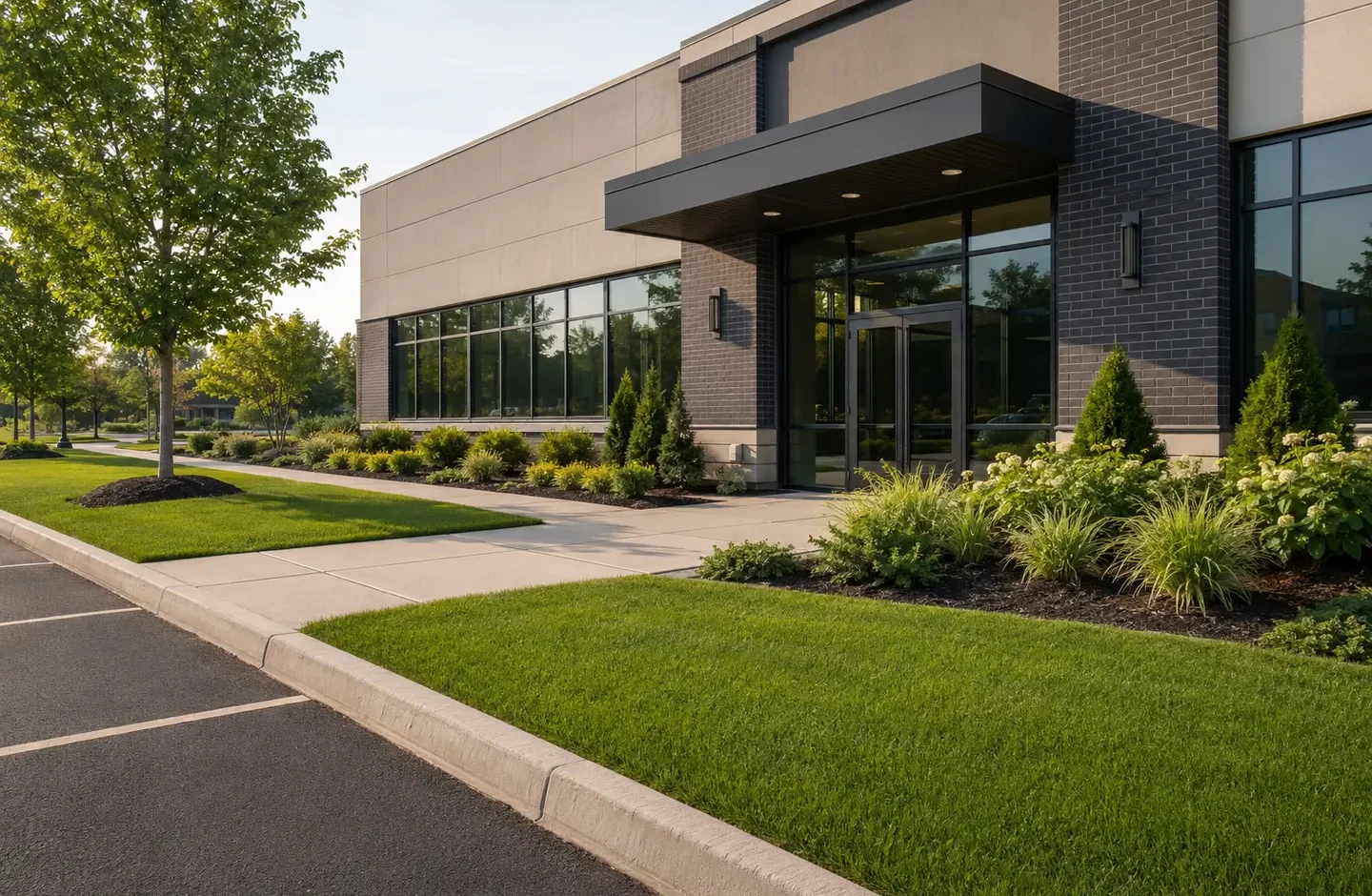
Manage exterior work through one clear property scope
In short: Property-management landscaping combines recurring service, inspections, seasonal work, repairs, enhancements, reporting, and tenant-sensitive scheduling across one or several managed sites. The contractor and manager should agree on service standards, site maps, approval limits, communication channels, access, reporting, incident escalation, tenant responsibilities, insurance, invoicing, and how extra work is authorized. The appropriate scope depends on the measured property, existing condition, access, intended use, material or product requirements, connected work, maintenance expectations, and any current municipal, utility, or specialist requirements.
Service area: Requests are accepted throughout Brampton, Ontario, subject to responding-provider availability and project fit.
Provider transparency: Brampton Landscaping is a service-information and quote-request website. Confirm the responding provider’s legal identity, contact information, insurance, qualifications, scope, price, and written terms before booking.
Property-management service needs
Inconsistent work across site areas
Use mapped zones, written frequencies, quality standards, and documented exclusions.
Small repairs become larger problems
Identify drainage, trip, settlement, irrigation, tree, fence, and hardscape issues during routine visits.
Seasonal vendors are disconnected
Coordinate growing-season maintenance, cleanups, enhancements, and winter planning.
When is landscaping for property managers the right starting point?
A commercial program is most useful when responsibilities, service standards, site priorities, approval limits, communication, reporting, and seasonal work are documented. The scope should distinguish routine visits from quoted repairs and emergency response.
The initial choice should follow the property condition, not a product photograph. Compare what each option is intended to accomplish, what preparation it assumes, and which facts still need inspection.
| Option or scope | When it may fit | What must be confirmed |
|---|---|---|
| Recurring grounds maintenance | Schedule lawn, bed, shrub, cleanup, litter, and entrance attention by area. | Confirm the site map, service frequencies, response triggers, reporting, approvals, access, insurance requirements, tenant responsibilities, and how extra work is authorized. |
| Inspections and reporting | Document conditions, completed work, recommended repairs, and approved extras. | Confirm the site map, service frequencies, response triggers, reporting, approvals, access, insurance requirements, tenant responsibilities, and how extra work is authorized. |
| Enhancements and repairs | Plan planting, mulch, sod, drainage, irrigation, hardscape, fence, and problem-area work. | Confirm the site map, service frequencies, response triggers, reporting, approvals, access, insurance requirements, tenant responsibilities, and how extra work is authorized. |
| Seasonal and winter coordination | Connect spring and fall work with commercial snow and ice planning. | Confirm the site map, service frequencies, response triggers, reporting, approvals, access, insurance requirements, tenant responsibilities, and how extra work is authorized. |
Managed-property landscaping services
Build the scope around property type, public access, tenant hours, reporting needs, and budget cycles.
What affects a landscaping for property managers quote?
A useful quote separates visible finishes from the work needed to support them. Dimensions, quantities, access, removals, disposal, existing-condition repair, drainage, utilities, material specifications, protection, cleanup, tax, schedule, and exclusions should be clear enough to compare.
- Inconsistent work across site areas: Use mapped zones, written frequencies, quality standards, and documented exclusions.
- Small repairs become larger problems: Identify drainage, trip, settlement, irrigation, tree, fence, and hardscape issues during routine visits.
- Seasonal vendors are disconnected: Coordinate growing-season maintenance, cleanups, enhancements, and winter planning.
- Recurring grounds maintenance: Schedule lawn, bed, shrub, cleanup, litter, and entrance attention by area.
- Inspections and reporting: Document conditions, completed work, recommended repairs, and approved extras.
- Enhancements and repairs: Plan planting, mulch, sod, drainage, irrigation, hardscape, fence, and problem-area work.
- Seasonal and winter coordination: Connect spring and fall work with commercial snow and ice planning.
Photos and approximate dimensions can start the conversation, but a final scope may change after measurement, inspection, current product information, utility locates, or authority review.
How long can planning and work take?
Begin planning before the active season so the property can be mapped, deficiencies recorded, access confirmed, and service levels approved. Multi-site programs need additional time for budgets, purchase orders, certificates, tenant communication, and escalation procedures.
The written quote should identify site access, material staging, noise or dust, temporary closures, occupied-area protection, waste removal, weather delays, curing or establishment time, and when the area can return to normal use. No universal duration can be confirmed without the actual scope.
How does landscaping for property managers move from request to review?
- 01
Document the condition
Record inconsistent work across site areas, access, dimensions, drainage, fixed features, utilities, and the result the property needs.
- 02
Compare suitable options
Review recurring grounds maintenance against inspections and reporting, preparation, maintenance, timing, and connected work.
- 03
Confirm scope and requirements
Confirm the site map, service frequencies, response triggers, reporting, approvals, access, insurance requirements, tenant responsibilities, and how extra work is authorized. Put materials, exclusions, protection, cleanup, and change handling in writing.
- 04
Complete and review
Follow the accepted sequence, inspect the finished condition, document limitations, and provide product- and site-specific care instructions.
What happens after landscaping for property managers is completed?
Use scheduled inspections and written service records to track recurring concerns. Review high-traffic areas, irrigation, plant health, drainage, trip hazards, visibility, waste, and seasonal transitions rather than relying on appearance alone.
Website content cannot determine concealed soil, base, utility, structural, electrical, fuel, drainage, root, boundary, or product conditions. The accepted quote and qualified specialist instructions control where they differ from general planning guidance.
Match service records to Brampton property operations
Condominiums, plazas, offices, industrial sites, apartments, schools, medical sites, and places of worship have different hours, occupants, traffic, accessibility routes, risk controls, and approval processes.
Local and official-source information reviewed July 21, 2026.
Plan around the actual property
Confirm current City of Brampton, Ontario utility, product, and specialist requirements for the exact work. This page does not approve a permit, locate, design, product, or construction detail.
Official sources relevant to landscaping for property managers
These sources support the municipal, safety, or utility statements on this page. Requirements and source pages can change, so confirm the current rule for the specific property before work begins.
City of Brampton Yard Maintenance Requirements
The City publishes current yard-maintenance expectations for lawns, overgrowth, weeds, debris, waste, and related exterior property conditions.
City of Brampton Site Alteration Permit Guide
The guide distinguishes most minor residential landscaping from work that may require site-alteration review or a permit.
Source review: July 21, 2026. Municipal approval is determined by the responsible authority, not by this website.
Questions about landscaping for property managers
Can one landscaping agreement cover several managed properties?
Potentially. Each site should still have its own map, scope, frequency, contacts, access details, pricing, documentation, and service history so requirements do not become ambiguous.
How is the quote prepared?
The scope should reflect property conditions, access, preparation, materials, removals, and connected work. A site review may be needed before the work can be priced accurately.
Can this service be combined with other landscaping work?
Yes. Related work is often easier to coordinate as one planned project, especially when grading, drainage, hardscaping, lawns, planting, or structures affect one another.
When should I start planning?
Start once you know the main outcome you want. Planning earlier provides more time to review the site, confirm requirements, choose materials, and coordinate seasonal availability.
What should I include in a landscaping for property managers quote request?
Include the Brampton property type, approximate work area, current concern, desired result, access limits, timing, and any related work. Photos are useful, but measurements, site conditions, materials, removals, utilities, permits, and specialist requirements may still need confirmation before a final quote.
What can change the recommended landscaping for property managers approach?
Confirm the site map, service frequencies, response triggers, reporting, approvals, access, insurance requirements, tenant responsibilities, and how extra work is authorized. The recommended scope can change after inspection, measurements, current product information, utility locates, or municipal requirements are reviewed.
How much disruption should the property expect?
Begin planning before the active season so the property can be mapped, deficiencies recorded, access confirmed, and service levels approved. Multi-site programs need additional time for budgets, purchase orders, certificates, tenant communication, and escalation procedures. The quote should identify access, staging, noise, removals, temporary closures, cleanup, and any period when the area cannot be used normally.
Continue planning the property
Start at the complete Brampton landscaping services directory, read the related guide for a deeper planning comparison, or use the full quote form for landscaping for property managers.