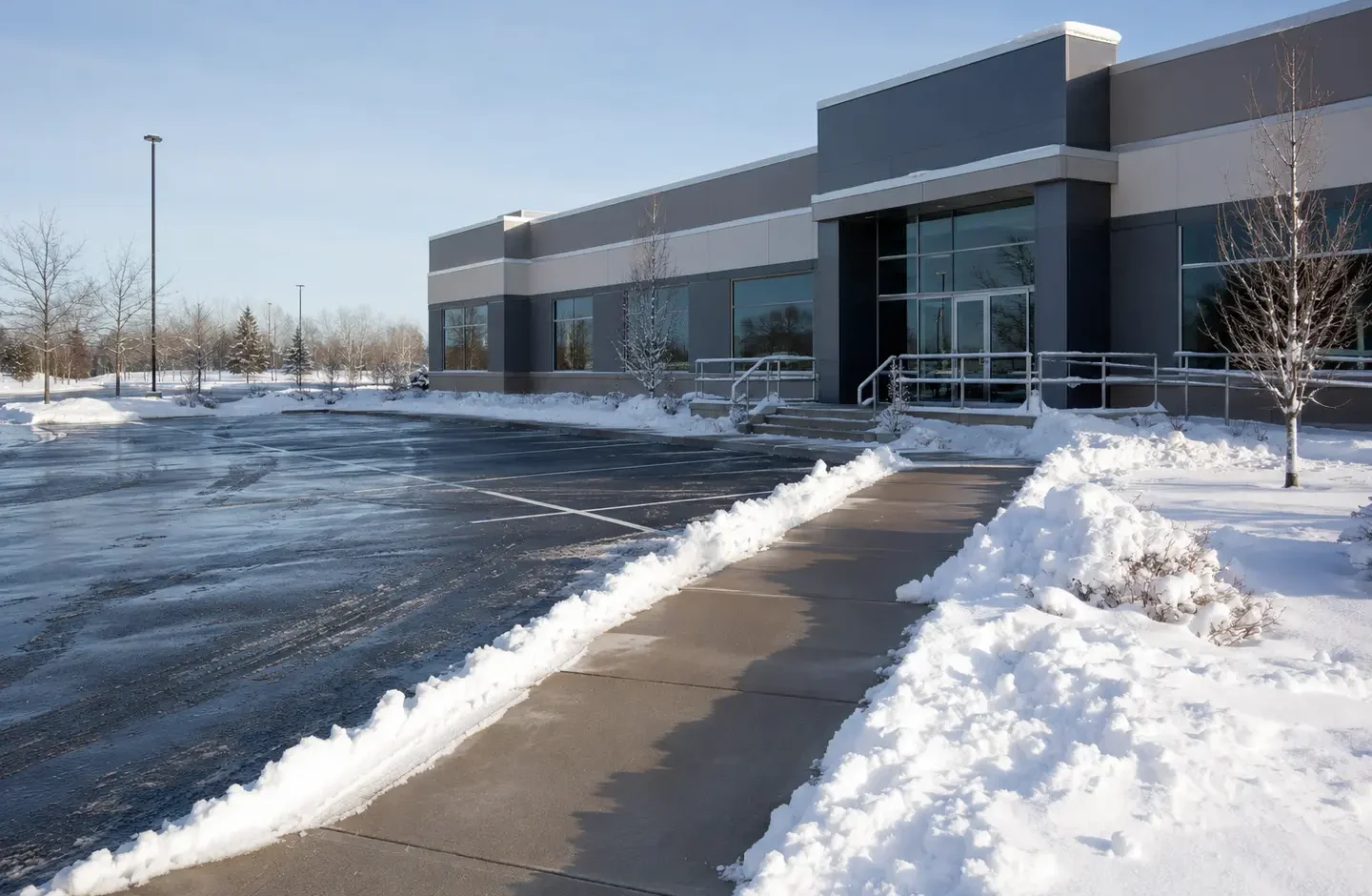
Define triggers, priorities, records, and responsibilities before winter
In short: Commercial snow management uses a written site plan to coordinate plowing, sidewalk clearing, de-icing, monitoring, snow storage, return visits, reporting, and communication around property operations. A useful agreement identifies every service area, trigger, priority route, pile location, loading zone, accessible space, drain, fire route, obstruction, tenant responsibility, documentation need, and severe-weather condition. The appropriate scope depends on the measured property, existing condition, access, intended use, material or product requirements, connected work, maintenance expectations, and any current municipal, utility, or specialist requirements.
Service area: Requests are accepted throughout Brampton, Ontario, subject to responding-provider availability and project fit.
Provider transparency: Brampton Landscaping is a service-information and quote-request website. Confirm the responding provider’s legal identity, contact information, insurance, qualifications, scope, price, and written terms before booking.
Commercial winter risks to plan for
Blocked parking and vehicle routes
Prioritize entrances, drive lanes, accessible spaces, loading, and emergency access.
Snow-covered pedestrian areas
Define sidewalks, ramps, doors, transit routes, and high-traffic areas clearly.
Ice and refreeze exposure
Coordinate inspection, de-icing, drainage, pile melt, roof discharge, and weather changes.
When is commercial snow removal the right starting point?
A snow and ice program is appropriate when the property needs a defined response for vehicle routes, sidewalks, entrances, loading areas, fire access, and storage. Service should be based on a written trigger and priority map, not a vague promise to arrive whenever it snows.
The initial choice should follow the property condition, not a product photograph. Compare what each option is intended to accomplish, what preparation it assumes, and which facts still need inspection.
| Option or scope | When it may fit | What must be confirmed |
|---|---|---|
| Parking lot and lane plowing | Clear agreed vehicular areas around traffic, parked vehicles, islands, and loading. | Confirm trigger depth, priority areas, service window, return visits, de-icing material, storage locations, documentation, accessibility routes, and who authorizes extra work. |
| Sidewalk and entrance clearing | Service designated pedestrian routes, ramps, steps, doors, and access points. | Confirm trigger depth, priority areas, service window, return visits, de-icing material, storage locations, documentation, accessibility routes, and who authorizes extra work. |
| Salting and ice management | Apply appropriate materials under the agreed trigger and record service where required. | Confirm trigger depth, priority areas, service window, return visits, de-icing material, storage locations, documentation, accessibility routes, and who authorizes extra work. |
| Snow relocation and hauling | Move or remove accumulated piles when storage, sightlines, parking, or drainage becomes constrained. | Confirm trigger depth, priority areas, service window, return visits, de-icing material, storage locations, documentation, accessibility routes, and who authorizes extra work. |
Commercial winter services
The final scope should state equipment, trigger, service timing, communication, documentation, de-icing, and exclusions.
What affects a commercial snow removal quote?
A useful quote separates visible finishes from the work needed to support them. Dimensions, quantities, access, removals, disposal, existing-condition repair, drainage, utilities, material specifications, protection, cleanup, tax, schedule, and exclusions should be clear enough to compare.
- Blocked parking and vehicle routes: Prioritize entrances, drive lanes, accessible spaces, loading, and emergency access.
- Snow-covered pedestrian areas: Define sidewalks, ramps, doors, transit routes, and high-traffic areas clearly.
- Ice and refreeze exposure: Coordinate inspection, de-icing, drainage, pile melt, roof discharge, and weather changes.
- Parking lot and lane plowing: Clear agreed vehicular areas around traffic, parked vehicles, islands, and loading.
- Sidewalk and entrance clearing: Service designated pedestrian routes, ramps, steps, doors, and access points.
- Salting and ice management: Apply appropriate materials under the agreed trigger and record service where required.
- Snow relocation and hauling: Move or remove accumulated piles when storage, sightlines, parking, or drainage becomes constrained.
Photos and approximate dimensions can start the conversation, but a final scope may change after measurement, inspection, current product information, utility locates, or authority review.
How long can planning and work take?
Arrange recurring service before winter. During an event, timing depends on accumulation, temperature, wind, traffic, municipal plowing, site access, and the agreed trigger. Refreeze and drifting may require follow-up visits under the written scope.
The written quote should identify site access, material staging, noise or dust, temporary closures, occupied-area protection, waste removal, weather delays, curing or establishment time, and when the area can return to normal use. No universal duration can be confirmed without the actual scope.
How does commercial snow removal move from request to review?
- 01
Document the condition
Record blocked parking and vehicle routes, access, dimensions, drainage, fixed features, utilities, and the result the property needs.
- 02
Compare suitable options
Review parking lot and lane plowing against sidewalk and entrance clearing, preparation, maintenance, timing, and connected work.
- 03
Confirm scope and requirements
Confirm trigger depth, priority areas, service window, return visits, de-icing material, storage locations, documentation, accessibility routes, and who authorizes extra work. Put materials, exclusions, protection, cleanup, and change handling in writing.
- 04
Complete and review
Follow the accepted sequence, inspect the finished condition, document limitations, and provide product- and site-specific care instructions.
What happens after commercial snow removal is completed?
Post-event review should identify blocked drains, narrowed routes, damaged markers, inaccessible hydrants, refreeze, and storage piles that reduce visibility or parking. Application and service records should match the contract and site conditions.
Website content cannot determine concealed soil, base, utility, structural, electrical, fuel, drainage, root, boundary, or product conditions. The accepted quote and qualified specialist instructions control where they differ from general planning guidance.
Plan for Brampton traffic and municipal plow activity
Commercial sites can be affected by road-plow windrows, repeated storms, rapid refreeze, limited pile storage, overnight traffic, tenant hours, and runoff toward catch basins or pedestrian routes.
Local and official-source information reviewed July 21, 2026.
Plan around the actual property
Confirm current City of Brampton, Ontario utility, product, and specialist requirements for the exact work. This page does not approve a permit, locate, design, product, or construction detail.
Official sources relevant to commercial snow removal
These sources support the municipal, safety, or utility statements on this page. Requirements and source pages can change, so confirm the current rule for the specific property before work begins.
City of Brampton Snow Removal FAQs
The City explains responsibility for private parking lots and plazas and warns that snow from private lots must not be pushed onto City streets.
City of Brampton Snow and Ice Removal Requirements
The City states the local deadline for owners and occupants to remove snow, ice, and slush from applicable sidewalks after snowfall.
Source review: July 21, 2026. Municipal approval is determined by the responsible authority, not by this website.
Questions about commercial snow removal
What should a commercial snow contract include?
It should identify mapped service areas, trigger depths, priority routes, response expectations, de-icing terms, monitoring, pile locations, severe-storm procedures, documentation, communication, pricing, and exclusions.
How is the quote prepared?
The scope should reflect property conditions, access, preparation, materials, removals, and connected work. A site review may be needed before the work can be priced accurately.
Can this service be combined with other landscaping work?
Yes. Related work is often easier to coordinate as one planned project, especially when grading, drainage, hardscaping, lawns, planting, or structures affect one another.
When should I start planning?
Start once you know the main outcome you want. Planning earlier provides more time to review the site, confirm requirements, choose materials, and coordinate seasonal availability.
What should I include in a commercial snow removal quote request?
Include the Brampton property type, approximate work area, current concern, desired result, access limits, timing, and any related work. Photos are useful, but measurements, site conditions, materials, removals, utilities, permits, and specialist requirements may still need confirmation before a final quote.
What can change the recommended commercial snow removal approach?
Confirm trigger depth, priority areas, service window, return visits, de-icing material, storage locations, documentation, accessibility routes, and who authorizes extra work. The recommended scope can change after inspection, measurements, current product information, utility locates, or municipal requirements are reviewed.
How much disruption should the property expect?
Arrange recurring service before winter. During an event, timing depends on accumulation, temperature, wind, traffic, municipal plowing, site access, and the agreed trigger. Refreeze and drifting may require follow-up visits under the written scope. The quote should identify access, staging, noise, removals, temporary closures, cleanup, and any period when the area cannot be used normally.
Continue planning the property
Start at the complete Brampton landscaping services directory, read the related guide for a deeper planning comparison, or use the full quote form for commercial snow removal.